
automatic transmission to manual transmission conversion kit
Converting from an automatic to a manual transmission involves a complete kit‚ offering drivers enhanced control and a more engaging experience. Kits typically include all necessary components.
What is an Automatic to Manual Conversion?
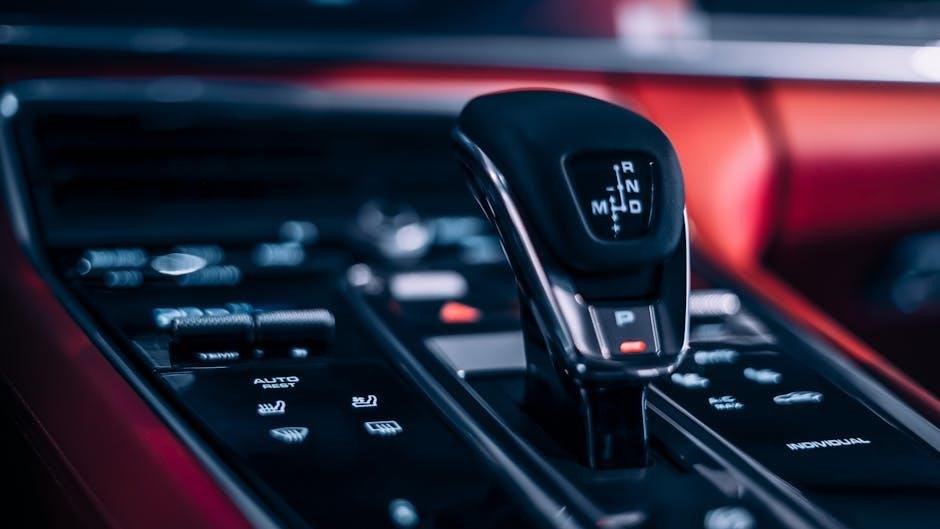
An automatic to manual conversion fundamentally alters a vehicle’s drivetrain. It replaces the automatic transmission‚ which handles gear changes automatically‚ with a manual transmission requiring driver input via a clutch pedal and shift lever.
This process isn’t simply swapping parts; it’s a comprehensive overhaul. A complete kit is essential‚ encompassing the transmission itself‚ clutch assembly‚ pedal box‚ shifter mechanism‚ and often‚ modifications to the driveshaft and wiring. The goal is to replicate the factory-installed manual experience‚ offering a more connected and engaging driving feel.
Why Convert? Benefits and Drawbacks
Converting offers increased driver engagement and control‚ often improving fuel efficiency and potentially lowering maintenance costs long-term; Enthusiasts appreciate the more direct connection to the vehicle. However‚ conversions aren’t without drawbacks.
The process is complex and can be expensive‚ requiring specialized tools and potentially professional labor. Daily driving in heavy traffic can become more demanding with a manual transmission. Furthermore‚ modifications may impact vehicle resale value and potentially raise insurance costs. Careful consideration of these factors is crucial.
Assessing Your Vehicle’s Compatibility
Determining compatibility requires evaluating your vehicle’s make‚ model‚ engine‚ and drivetrain layout; Not all conversions are feasible or cost-effective.
Vehicle Make and Model Considerations
Specific vehicle makes and models present varying levels of difficulty for conversion. Some platforms are inherently more suited due to readily available aftermarket support and existing mounting points. Ford and GM vehicles often have extensive parts availability‚ simplifying the process. However‚ conversions on less common or newer vehicles may require custom fabrication and sourcing of unique components. Thorough research is crucial; online forums and dedicated communities can provide valuable insights into the feasibility and challenges associated with converting your particular vehicle.
Engine Compatibility and Power Handling
Ensuring engine compatibility is paramount; the chosen manual transmission must be rated to handle the engine’s torque output. Higher horsepower and torque engines necessitate stronger transmission components‚ like upgraded gears and clutches. Gas and diesel engines have different power characteristics‚ influencing transmission selection. Ignoring power handling limits can lead to premature failure. Consider future engine modifications; selecting a transmission with a higher capacity provides a safety margin and avoids costly re-work later. Careful planning prevents drivetrain stress.
Drivetrain Layout (RWD‚ FWD‚ AWD)
The vehicle’s drivetrain layout – Rear-Wheel Drive (RWD)‚ Front-Wheel Drive (FWD)‚ or All-Wheel Drive (AWD) – significantly impacts conversion complexity. RWD conversions are generally more straightforward. FWD conversions can be challenging due to integrated transaxles. AWD systems present the most difficulty‚ often requiring modifications to the transfer case and potentially the rear differential. Compatibility of the manual transmission with the existing driveshafts and axles is crucial. Proper alignment and length are essential for smooth operation and preventing damage.
Components of a Conversion Kit
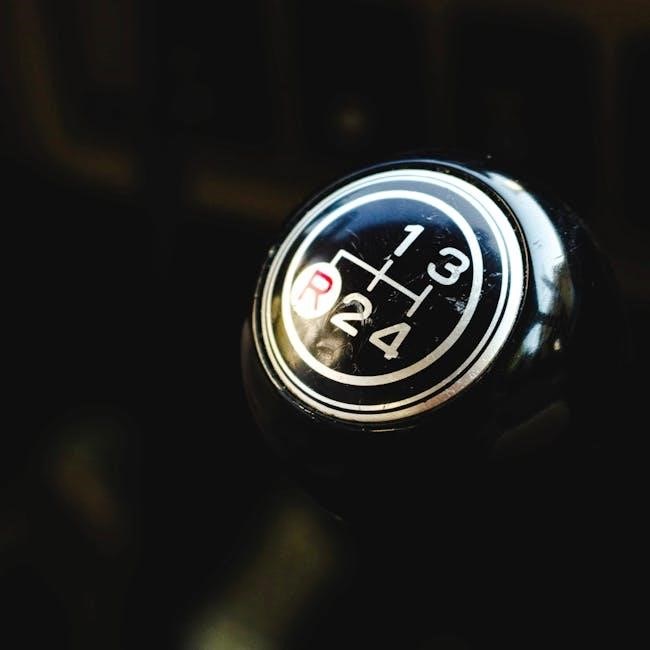
A complete kit includes a transmission‚ clutch‚ flywheel‚ pedal assembly‚ shifter‚ driveshaft parts‚ wiring modifications‚ and ECU tuning for optimal performance.
Transmission Options and Gear Ratios
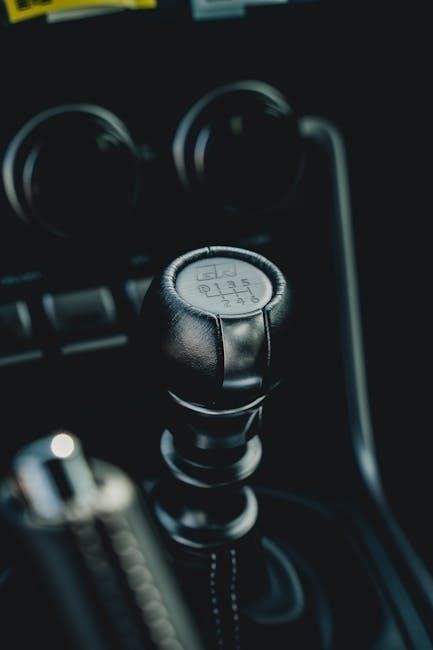
Selecting the right manual transmission is crucial‚ considering vehicle compatibility and desired driving experience. Options range from factory OEM units to aftermarket performance transmissions. Gear ratios significantly impact acceleration and cruising speed; shorter ratios provide quicker acceleration‚ while taller ratios enhance fuel efficiency.
Carefully evaluate your vehicle’s engine characteristics and intended use. A five-speed transmission is common‚ but six-speed options offer closer ratios for improved performance. Matching the transmission’s final drive ratio to your differential is vital for optimal results. Researching available options and consulting with experts ensures a suitable choice.
Clutch Kit: Disc‚ Pressure Plate‚ and Throwout Bearing
A high-quality clutch kit is fundamental for a successful conversion. It comprises the clutch disc‚ pressure plate‚ and throwout bearing. The clutch disc facilitates power transfer‚ while the pressure plate clamps it against the flywheel. The throwout bearing disengages the clutch during gear changes.
Selecting a kit rated for your engine’s torque output is essential. Consider organic‚ ceramic‚ or hybrid discs based on driving style. Upgraded pressure plates offer increased clamping force. Inspect and potentially replace the pilot bearing during installation for smooth operation and longevity.
Flywheel Selection and Weight
The flywheel is crucial‚ replacing the automatic transmission’s flexplate. Choosing the correct flywheel depends on your engine and desired performance. Lightweight flywheels improve acceleration and responsiveness but can make idle rougher. Heavier flywheels offer smoother operation and better low-end torque.
Consider a dual-mass flywheel for reduced vibration‚ especially in four-cylinder engines. Ensure compatibility with your chosen clutch disc and pressure plate. Inspect the flywheel surface for damage and machine it if necessary for optimal clutch engagement and longevity.
Pedal Assembly: Clutch‚ Brake‚ and Gas
A complete pedal assembly is essential‚ as automatic vehicles lack a clutch pedal. Kits typically include a new brake pedal‚ often repositioned‚ and a gas pedal. The clutch pedal must be securely mounted and properly aligned for smooth operation. Adjustable pedal positions are beneficial for driver comfort.
Ensure the pedal assembly is compatible with your vehicle’s floor pan. Consider pedal bushings to reduce noise and vibration. Proper installation is critical for safe and reliable clutch engagement‚ preventing premature wear or failure.
Shifter Mechanism and Linkages
The shifter mechanism is crucial for selecting gears in a manual transmission. Conversion kits include a shifter‚ often with customizable shift knob options‚ and the necessary linkages to connect it to the transmission. Precise alignment of these linkages is vital for accurate gear selection.
Consider short-throw shifters for quicker shifts. Ensure compatibility with the transmission and vehicle floor console. Proper adjustment prevents binding or sloppy shifting‚ enhancing the driving experience and ensuring long-term reliability.
Driveshaft Modifications or Replacement
Driveshaft adjustments or a complete replacement are frequently needed during an automatic to manual conversion. Automatic transmissions and manual transmissions often have differing output shaft lengths‚ impacting driveshaft compatibility. Measuring the existing driveshaft and comparing it to manual transmission specifications is essential.
Consider driveshaft velocity and angles to avoid vibrations. Custom driveshafts may be required for certain vehicles. Ensure the U-joints are in good condition and properly lubricated. Professional installation is recommended for precise balancing and fitment.
Wiring Harness Modifications
Wiring harness alterations are crucial when swapping an automatic for a manual transmission. Automatic transmissions utilize wiring for functions like the torque converter and transmission control module‚ which are absent in a manual setup. These wires must be removed or repurposed.
Conversely‚ manual transmissions require wiring for the reverse light switch and potentially a vehicle speed sensor; Carefully study wiring diagrams and utilize a multimeter to identify and connect the correct wires. Professional assistance is advisable to prevent electrical issues.
ECU Tuning and Calibration
ECU tuning is often necessary post-conversion‚ as the engine control unit expects feedback from an automatic transmission. Removing this feedback can trigger check engine lights or affect performance. Calibration adjusts parameters like fuel delivery and ignition timing for optimal manual transmission operation;
Custom tuning‚ using a dyno‚ is ideal for maximizing power and efficiency. Alternatively‚ some kits offer pre-loaded tunes‚ but these may not be perfectly tailored to your vehicle. Ignoring ECU adjustments can lead to drivability issues and potential engine damage.
Master and Slave Cylinders
Hydraulic clutch systems require a master cylinder‚ activated by the pedal‚ and a slave cylinder‚ operating the clutch fork. These are not present in automatic transmission vehicles and must be sourced with the conversion kit.
Proper sizing is crucial; incorrect cylinders can result in a spongy pedal feel or difficulty engaging the clutch. Consider upgrading to adjustable cylinders for fine-tuning. Bleeding the system thoroughly is essential to remove air bubbles and ensure optimal performance. Quality components are vital for reliability.
Tools and Equipment Required
Successful conversion demands standard hand tools‚ specialized automotive tools‚ and lifting equipment like jacks and stands for safe vehicle support during the process.
Essential Hand Tools
A comprehensive set of hand tools is fundamental for a successful automatic to manual conversion. This includes socket sets – both metric and standard – with various extensions and universal joints for accessing difficult bolts. Wrenches‚ encompassing open-end‚ box-end‚ and adjustable varieties‚ are crucial.
Don’t forget screwdrivers (Phillips and flathead)‚ pliers (slip-joint‚ needle-nose‚ and locking)‚ and a torque wrench for precise tightening. A hammer‚ pry bar‚ and punches will aid in disassembly. Furthermore‚ having a good quality ratchet and breaker bar will prove invaluable when dealing with stubborn fasteners. Safety glasses and gloves are also essential!
Specialized Automotive Tools
Beyond standard hand tools‚ a manual conversion demands specialized automotive equipment. A transmission jack is vital for safely lowering and raising the heavy transmissions. You’ll need a flywheel locking tool to prevent rotation during clutch installation.
Furthermore‚ a clutch alignment tool ensures proper disc centering. Brake line flaring tools might be necessary if modifying brake lines for the pedal assembly. Diagnostic scan tools are helpful for ECU recalibration. Consider a compression tester to assess engine health before starting. Finally‚ a good quality multimeter is essential for electrical work.
Lifting Equipment (Jack and Stands)
Safety is paramount; a robust floor jack with a sufficient weight capacity is crucial for lifting the vehicle. Never work under a vehicle supported only by a jack! Invest in at least four high-quality jack stands‚ rated for more than the vehicle’s weight.
Positioning the jack stands correctly‚ on designated reinforced frame points‚ is vital. Wheel chocks are also essential to prevent rolling. Consider a transmission jack alongside standard jack and stands for safe transmission removal and installation.
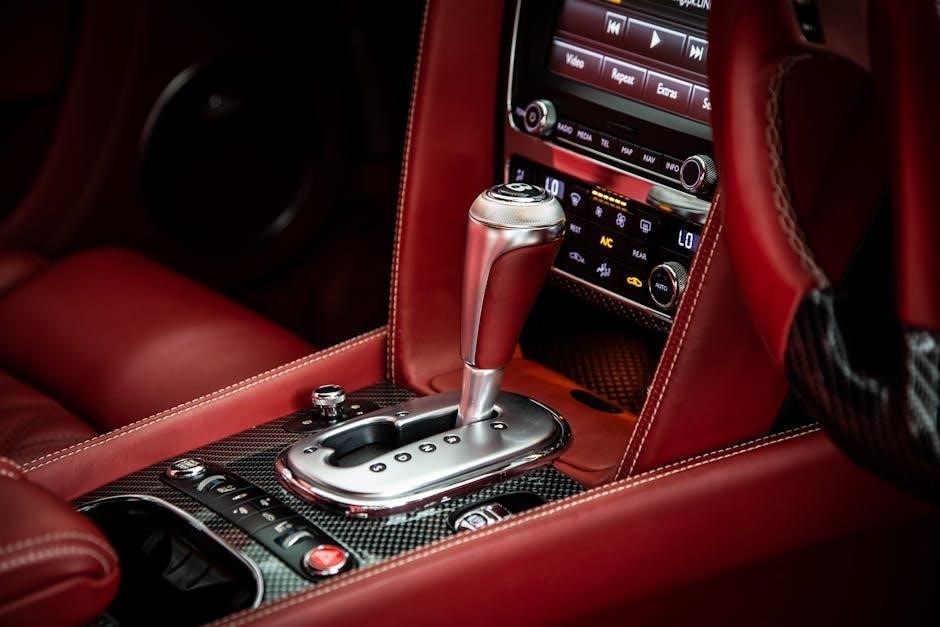
Installation Process Overview
The process begins with automatic transmission removal‚ followed by manual installation‚ clutch and pedal assembly connection‚ and careful wiring/ECU integration for optimal function.
Removing the Automatic Transmission
Begin by safely lifting and securing the vehicle with jack stands. Disconnect the driveshaft‚ ensuring you mark its orientation for reinstallation. Detach all wiring connected to the transmission‚ labeling each connector meticulously. Support the engine from above to prevent strain during transmission removal.
Next‚ remove the exhaust system components obstructing access. Unbolt the transmission mount and carefully lower the automatic transmission using a transmission jack. This step requires patience and attention to detail to avoid damaging surrounding components. Drain all remaining fluid from the transmission before complete removal.
Installing the Manual Transmission
Carefully position the manual transmission using a transmission jack‚ aligning it with the engine. Gently raise the transmission until it mates flush with the engine‚ ensuring proper alignment of the input shaft and pilot bearing; Securely bolt the transmission to the engine block‚ following the manufacturer’s torque specifications.
Then‚ reinstall the transmission mount‚ ensuring it’s properly tightened. Reconnect the driveshaft‚ verifying the original orientation markings. Double-check all connections and bolts for security before proceeding to the next stage of the conversion process.
Connecting the Clutch and Pedal Assembly
Begin by installing the clutch disc‚ ensuring it’s oriented correctly between the flywheel and pressure plate. Secure the pressure plate with appropriate bolts‚ tightened in a star pattern to even clamping force. Next‚ mount the clutch pedal assembly‚ connecting it to the master cylinder.
Carefully route the clutch line‚ bleeding the system to remove air and ensure proper hydraulic function. Verify full pedal travel and engagement before proceeding‚ as a properly adjusted clutch is vital for smooth shifting.
Wiring and ECU Integration
The conversion necessitates modifying the vehicle’s wiring harness to accommodate the manual transmission’s requirements‚ often involving signals for the clutch switch and gear position sensor. ECU tuning is crucial; the original automatic transmission programming must be altered to remove related functions and enable proper engine management for a manual setup.
Calibration ensures optimal performance and prevents error codes. Some kits may require a standalone ECU‚ while others can be reprogrammed. Thorough testing post-integration is essential for a reliable outcome.
Potential Challenges and Troubleshooting
Conversion projects can present clearance issues‚ electrical gremlins‚ and tricky shifting adjustments; careful diagnosis and modification are often needed for a smooth result.
Clearance Issues and Modifications
During a conversion‚ physical space constraints often emerge. The manual transmission‚ with its differing dimensions compared to the automatic‚ may encounter interference with the transmission tunnel‚ floor pan‚ or driveshaft.
Modifications might include tunnel reshaping‚ utilizing a hammer and specialized tools‚ or selecting a shorter driveshaft. Exhaust system adjustments are frequently necessary due to altered angles. Careful measurement and test fitting are crucial before permanent alterations. Some kits offer pre-modified components to mitigate these issues‚ ensuring a smoother installation process and avoiding costly rework.
Electrical Problems and Solutions
Converting from automatic to manual necessitates addressing several electrical discrepancies. The automatic transmission’s sensors‚ like the neutral safety switch‚ become obsolete‚ requiring wiring bypasses or reprogramming.
Furthermore‚ the vehicle’s ECU may need recalibration to remove automatic transmission-related diagnostic trouble codes (DTCs) and optimize performance for manual operation. Issues can arise with the speedometer signal or reverse light functionality. Thorough wiring diagrams and a diagnostic scanner are essential for troubleshooting and implementing effective solutions‚ ensuring all systems function correctly.
Shifting Problems and Adjustments
Post-installation‚ imprecise shifting is common‚ demanding meticulous adjustments. The clutch cable or hydraulic system requires precise calibration to ensure smooth engagement and disengagement. Incorrect pedal height or travel can lead to difficulty finding gears or experiencing clutch slippage.
Additionally‚ the shifter linkage may need fine-tuning to eliminate binding or looseness‚ guaranteeing accurate gear selection. Thoroughly check for proper alignment and adjust as needed. A properly adjusted system delivers a responsive and enjoyable driving experience‚ maximizing the benefits of the conversion.
Cost Breakdown
Conversion kits range significantly in price‚ with labor adding substantial costs if not DIY. Expect expenses for parts‚ fluids‚ and potential unforeseen issues.
Kit Costs
The financial investment for a complete automatic to manual conversion kit varies widely‚ dependent on the vehicle’s make and model‚ and the quality of components chosen. Basic kits‚ containing essential parts like the transmission‚ clutch‚ and pedal assembly‚ can start around $1‚500. However‚ high-performance kits‚ featuring upgraded components for increased durability and power handling‚ may exceed $3‚000 or even $5‚000.
Additional costs often arise from selecting specific gear ratios‚ flywheel weights‚ or shifter mechanisms. Consider the potential need for a new driveshaft or modifications to the existing one‚ adding another $300-$800 to the total. Remember to factor in the price of transmission fluid and other consumables.
Labor Costs (if applicable)
Professional installation significantly impacts the overall cost of an automatic to manual conversion. Labor rates vary geographically and by shop expertise‚ typically ranging from $80 to $150 per hour. Given the complexity of the process‚ a conversion can easily require 20 to 40 hours of skilled labor‚ translating to $1‚600 to $6‚000 in labor costs alone.
DIY installation eliminates labor expenses but demands substantial mechanical knowledge‚ specialized tools‚ and time commitment. Incorrect installation can lead to costly repairs‚ so assess your capabilities honestly before attempting a self-install.
Additional Parts and Expenses
Beyond the core kit‚ anticipate supplementary costs. These often include a new clutch master cylinder‚ slave cylinder‚ and potentially a brake booster upgrade for improved pedal feel. Expect to spend on fluids – transmission oil‚ brake fluid‚ and coolant – plus hardware like bolts and seals.
Driveshaft modifications or a complete replacement are common‚ adding $300-$800. ECU tuning‚ crucial for optimal performance‚ can range from $500 to $1‚000. Don’t forget potential alignment costs post-installation‚ typically around $100.
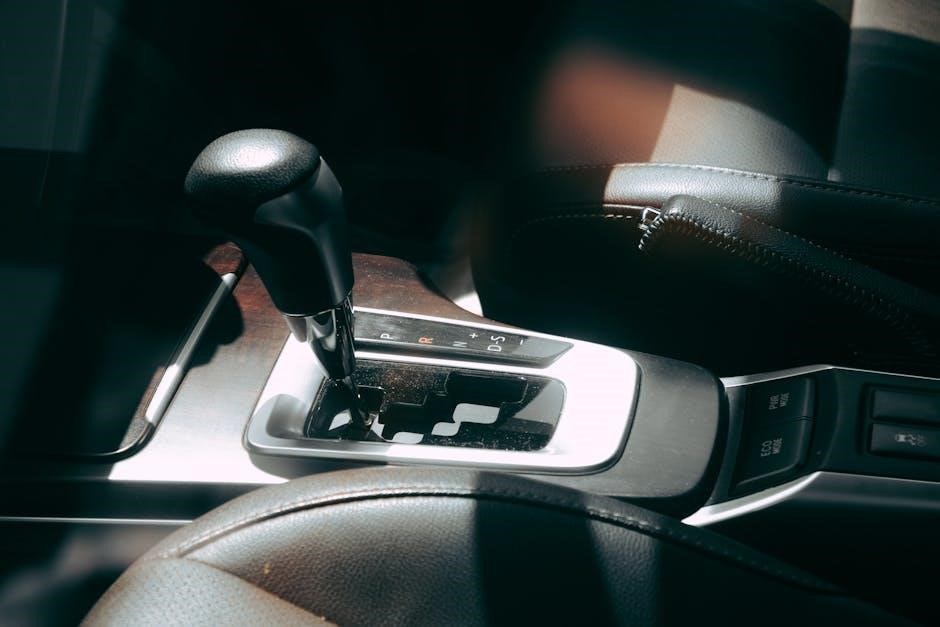
Legal and Insurance Implications
Modifying your vehicle requires awareness of local laws and potential insurance adjustments. Disclosure to your insurer is vital for continued‚ valid coverage.
Vehicle Modification Laws
Regulations surrounding vehicle modifications‚ like a transmission swap‚ vary significantly by location – state‚ province‚ or even municipality. It’s crucial to research and understand the specific laws in your area before beginning any work. Some jurisdictions require inspections to ensure the modification meets safety standards‚ while others may have restrictions on what can be altered.
Failure to comply with these regulations can result in fines‚ the inability to register your vehicle‚ or even legal repercussions. Documentation of the conversion process‚ including parts used and any professional certifications‚ is highly recommended. Always prioritize adherence to local vehicle codes.
Insurance Coverage and Disclosure
Modifying your vehicle with a transmission conversion requires full disclosure to your insurance provider. Failing to inform them could invalidate your policy in the event of an accident. Insurance companies assess risk‚ and a manual transmission swap alters the vehicle’s characteristics.
Expect potential premium adjustments‚ as the modification might be viewed as increasing performance or attracting a different driver profile. Obtain written confirmation from your insurer regarding coverage post-modification. Document everything – receipts‚ installation details – to support your claim if needed.

Resources and Support
Online forums and dedicated communities provide invaluable assistance‚ while professional installation services offer expertise for complex conversions‚ ensuring a smooth process.
Online Forums and Communities
Numerous online platforms serve as vibrant hubs for enthusiasts undertaking automatic to manual conversions. These forums offer a wealth of knowledge‚ from detailed installation guides and troubleshooting tips to discussions on component selection and compatibility.
Dedicated communities allow you to connect with individuals who have firsthand experience‚ providing personalized advice and support. Sharing your progress‚ asking questions‚ and learning from others’ mistakes can significantly streamline the conversion process.
Active members often share valuable resources‚ including wiring diagrams‚ ECU tuning information‚ and recommendations for reputable suppliers. These collaborative spaces are invaluable for navigating the complexities of a manual transmission swap.
Professional Installation Services
For those lacking the necessary skills‚ tools‚ or time‚ professional installation services offer a convenient alternative. Experienced mechanics specializing in transmission swaps can ensure a precise and reliable conversion.
Qualified shops will handle all aspects of the process‚ from component sourcing and installation to wiring modifications and ECU tuning. This minimizes the risk of errors and potential damage to your vehicle.
While more expensive than a DIY approach‚ professional installation provides peace of mind and often includes a warranty on their workmanship‚ safeguarding your investment and ensuring long-term performance.


Leave a Reply
You must be logged in to post a comment.